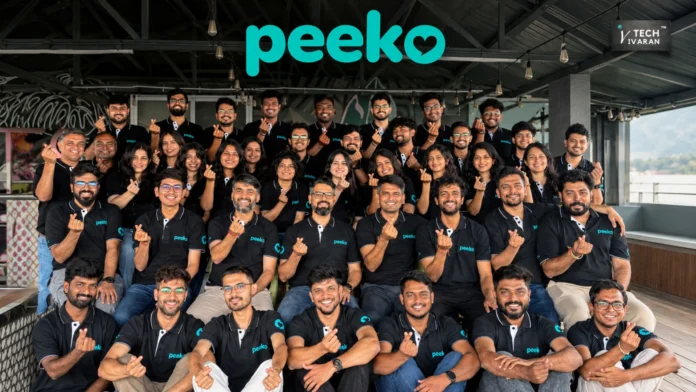
Peeko, a vertical quick commerce startup focusing on babycare products, has successfully secured $7 million (approximately ₹67.4 Cr) in its Series A funding round.
The financing effort was led by Chiratae Ventures and included participation from existing backer Stellaris Venture Partners alongside various angel investors. With this latest cash injection, the company brings its total capital raised to roughly ₹95 Cr, which factors in the ₹28 Cr secured during the previous year.
Expanding Bengaluru Presence and Tech Infrastructure
Chetan Sharma, Abhijit Gairola, and Vivek Khetan launched the platform after it emerged from stealth last year. Sharma previously worked at Leap Finance alongside Gairola, while Khetan comes from an OYO background.
The newly acquired funds will primarily go toward scaling the startup’s presence across Bengaluru, growing its product assortment, and building out its underlying technology infrastructure.
Additionally, the team of around 60 people intends to allocate a portion of the capital toward hiring for key positions as operations expand.
At present, the platform features roughly 30,000 SKUs from over 100 Indian and international brands including names like Cetaphil, Sebamed, Mothercare, Dr. Brown’s, and Pantaloons, marking a substantial jump from the 5,000 to 6,000 SKUs available at launch.
Shoppers can purchase a wide variety of items delivered within an hour, spanning kid apparel, shoes, toys, accessories, hard goods, baby food, wipes, and diapers.
A Touch-and-Feel Approach and Future Outlook
Operating out of three dark stores currently, Peeko reaches approximately 55% of the pincodes across Bengaluru.
To achieve full coverage of the city, management plans to double its dark store footprint by adding three more locations before the end of 2026. Looking past Bengaluru, the firm aims to enter additional cities by early next year.
To address parents’ typical preference for physically inspecting items before purchase, Peeko implemented a unique doorstep model.
Delivery riders wait while customers inspect the items delivered via the app, allowing shoppers to keep what they want and hand back the rest for an instant refund. This option is frequently utilized during initial transactions and has helped boost user retention, driving a nearly 5X revenue growth since the beginning of 2026 despite the limited geographic footprint.
Furthermore, the startup intends to move beyond standard quick commerce by experimenting with AI-driven products designed to guide parents through their purchasing decisions and overall parenting journey.