
Atlassian has introduced new AI-powered product development capabilities for Jira, including Jira Planner and enhancements to Teamwork Graph, to help engineering teams plan, assign, and manage software development tasks alongside AI agents.
The update provides tools for planning, assigning, and monitoring tasks, as well as measuring the cost of AI output.
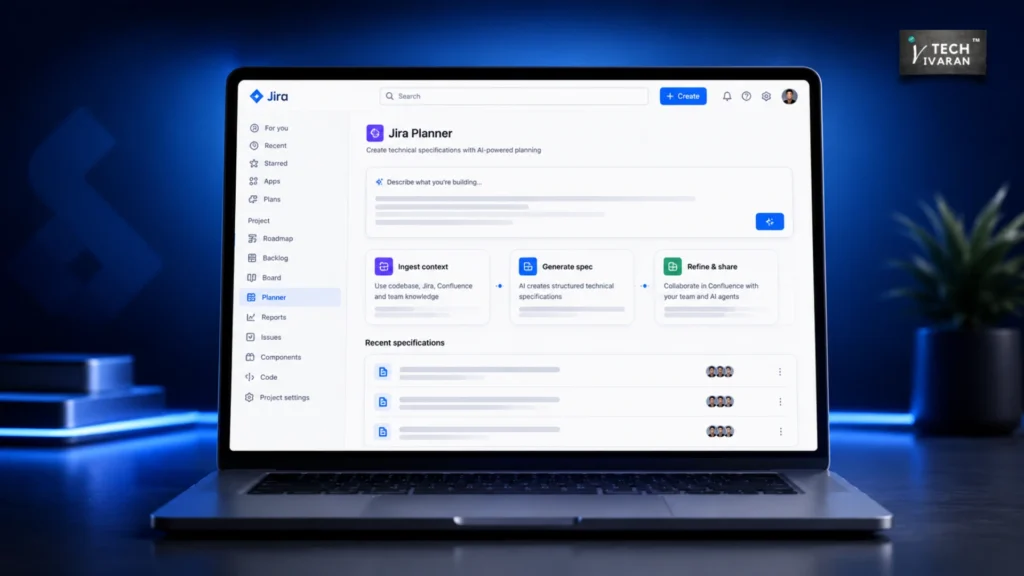
Atlassian Launches Jira Planner for Technical Specification Development
The company introduced Jira Planner to facilitate spec-driven development. This tool integrates data from a team’s codebase, Jira and Confluence history, and existing team context to generate structured technical specifications within Confluence.
These specifications are designed to be readable by both human engineers and AI agents. The goal is to provide a single artifact that serves both audiences during the development process.
Teamwork Graph Provides Context for AI Agent Workflows
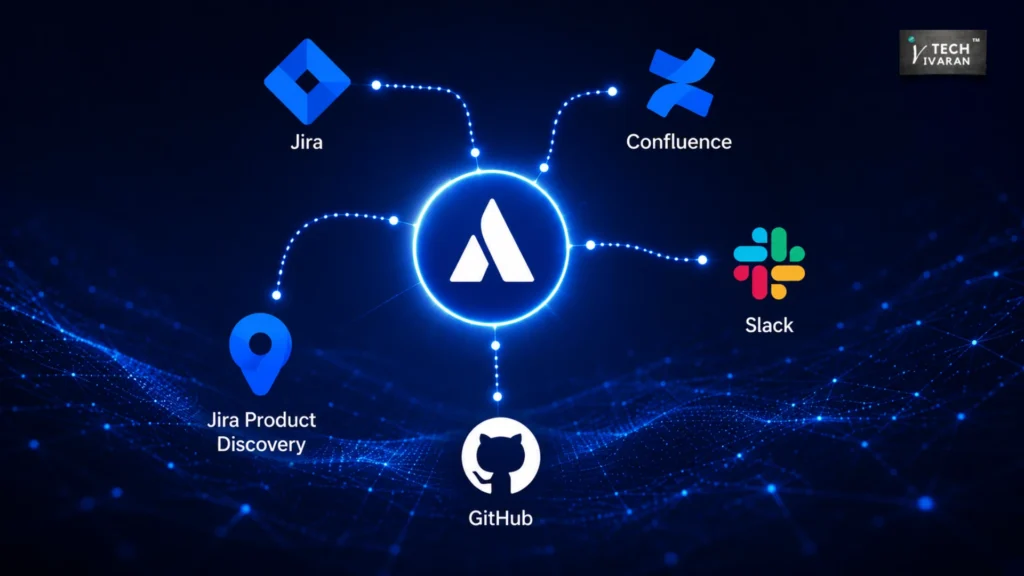
To support these new capabilities, Atlassian is utilizing its Teamwork Graph as a centralized context layer. This system maps work, code, people, decisions, and dependencies to help agents understand the broader system rather than just individual tasks.
The Teamwork Graph brings together context from Jira tasks, Confluence requirements, Slack conversations, GitHub code, and Jira Product Discovery insights, giving AI agents a broader understanding of ongoing development work.
By providing this organizational memory, the system aims to prevent agents from producing code that lacks necessary architectural constraints or creates future bottlenecks.
Addressing the AI Productivity Gap in Software Engineering
Atlassian stated that while AI usage among professional engineering teams has increased by 65%, developer velocity has only seen gains averaging 10% to 15%. The company attributed this gap to the complexity of software development, which requires turning business strategies and organizational context into functional software.
The new Jira features are designed to address specific failure points in agentic workflows, such as vague planning, lossy handoffs, and output that teams find difficult to trust. Jira will continue to serve as the system of record for tracking intent, assigning agent tasks, recording session history, and reviewing output.
With these additions, Atlassian is expanding Jira beyond project tracking into AI-assisted software development. By combining planning, organizational context, and AI agent management, the company aims to improve collaboration between human developers and AI throughout the software development lifecycle.