
Logistics has evolved from a simple support task into a core business priority as companies navigate shifting trade rules and disrupted supply routes. These networks increasingly influence delivery speed, customer satisfaction, and decisions about where companies manufacture their products. This shift arrives at a crucial moment for India as producers diversify away from traditional regions and look to the country for future growth.
Attracting new factories is only the first step. Creating a strong logistics framework is equally vital to link these manufacturing centers to domestic and global buyers through modern transport networks and digital tools. Changing trade relationships and efforts by businesses to diversify their supply chains are adding to this momentum. Manufacturing sectors from electronics to pharmaceuticals are expanding rapidly across India.
Government programs like PM Gati Shakti and the National Logistics Policy are helping improve connectivity across roads, railways, ports, and inland waterways to lower overall expenses. Warehousing networks are growing too, adding automated distribution centers and cold storage facilities to handle rising exports and ecommerce demand. However, physical buildings are only part of the solution.
Coordinating Complex Supply Networks
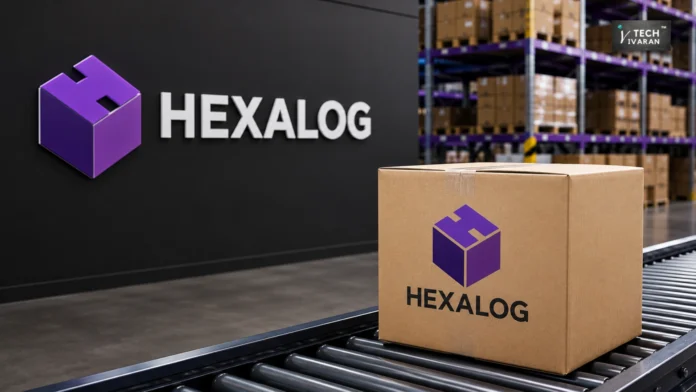
Managing modern supply chains requires more than basic transport. Businesses now need partners that can combine freight forwarding, customs, warehousing, and fulfillment into a single coordinated system. Hexalog addresses this demand by offering these services under one contract to simplify operations for manufacturers.
Warehousing has shifted from basic storage into a value-added service where providers handle quality checks, packaging, and assembly near production sites. At the same time, improved connections between freight corridors and ports give companies more flexibility to use rail for long journeys and road networks for final deliveries. Hexalog uses artificial intelligence to recommend transport routes and modes based on factors such as cost and transit time.
Cross-border trade also demands faster documentation and digital workflows to prevent delays, especially for fast-moving items like electronics and textiles. Hexalog integrates customs management directly into the broader shipping process to bring customs management into the broader shipping workflow.
Visibility and Resilience in Operations
Companies want a single view of their supply chain rather than coordinating across multiple separate vendors.
Dibyanshu Tripathi, CEO and co-founder of Hexalog, notes that a supply chain that only works when nothing goes wrong is simply a gamble. Hexalog combines shipments, inventory, and documentation into one AI-powered platform to give businesses a unified view of shipments, inventory, and documentation.
Recent disruptions like shipping delays in the Red Sea show that supply chains must adapt quickly to changing conditions. Artificial intelligence can help identify potential disruptions and recommend alternative options. Technology is now central to modern logistics, allowing providers to automate paperwork and make faster decisions.
India holds a massive opportunity to build a connected and resilient trade ecosystem as manufacturing grows. Ongoing investments in logistics infrastructure are creating a stronger foundation for India’s manufacturing and trade growth, and new trade agreements continue to open up fresh export markets. As manufacturing and exports expand, combining physical infrastructure with digital supply-chain technology will become increasingly important for businesses operating across India.