

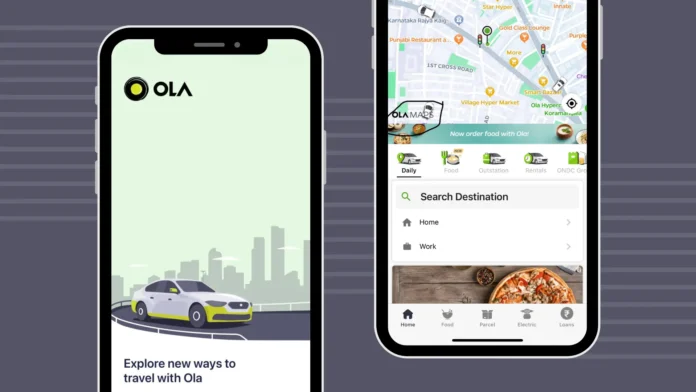
Ola has announced its departure from Google Maps, following its previous exit from Azure. This decision is a watershed moment for the ride-hailing company, as it transitions to using its proprietary mapping technology, Ola Maps.
Transitioning Away from Global Technology Giants
Ola no longer spends ₹100 crore annually on mapping services after switching to Ola Maps. This move underscores Ola’s strategic decision to reduce reliance on external technology providers while increasing control over its navigation infrastructure.
Embracing Ola Maps: What Users Should Know
Users of the Ola app are encouraged to update their applications, as the platform now only uses Ola maps for navigation. This transition promises not only smooth navigation but also new features and capabilities.
After Azure exit last month, we’ve now fully exited google maps. We used to spend ₹100 cr a year but we’ve made that 0 this month by moving completely to our in house Ola maps! Check your Ola app and update if needed 😉
— Bhavish Aggarwal (@bhash) July 5, 2024
Also, Ola maps API available on @Krutrim cloud! Many more… pic.twitter.com/wYj1Q1YohO
Future Innovations On The Horizon
Looking ahead, Ola has big plans for its mapping technology. The company has announced that the Ola Maps API is now available on the Krutrim cloud, hinting at future enhancements such as street view, NERFs (Named Entity Recognition Features), indoor images, 3D maps, and drone mapping capabilities.
What This Means for Ola and Its Users
The goal of Ola’s mapping solution development and investment is to provide a more customized and integrated user experience. Ola’s broader vision of technological innovation and customer-centric service is in line with this strategic shift.
Discover Ola’s Diverse Services
Ola Cabs offers a variety of services through their app, including Ola Bike Taxi for quick rides through traffic, Ola Rentals for multiple stops in the city, Outstation for intercity travel, Ola Parcel for package deliveries, and food delivery from a wide range of restaurants.
Conclusion
Ola’s departure from Azure and Google Maps represents a strategic shift towards independence and technological innovation as well as a cost-cutting move.
The company’s leadership in the mobility and technology sectors will soon be solidified with a range of anticipated new features and enhancements, placing Ola maps firmly at the forefront.
FAQs
Ola has chosen to transition from Google Maps and Azure to its proprietary mapping technology, Ola Maps, to reduce reliance on external providers and cut costs. This strategic move allows Ola to gain more control over its navigation infrastructure and invest in its own technological innovations.
Future enhancements for Ola Maps include street view, Named Entity Recognition Features (NERFs), indoor images, 3D maps, and drone mapping capabilities. These innovations are designed to enhance the user experience.
Ola Maps API is now available on the Krutrim cloud, offering developers access to Ola’s mapping technology for further integration and innovation.